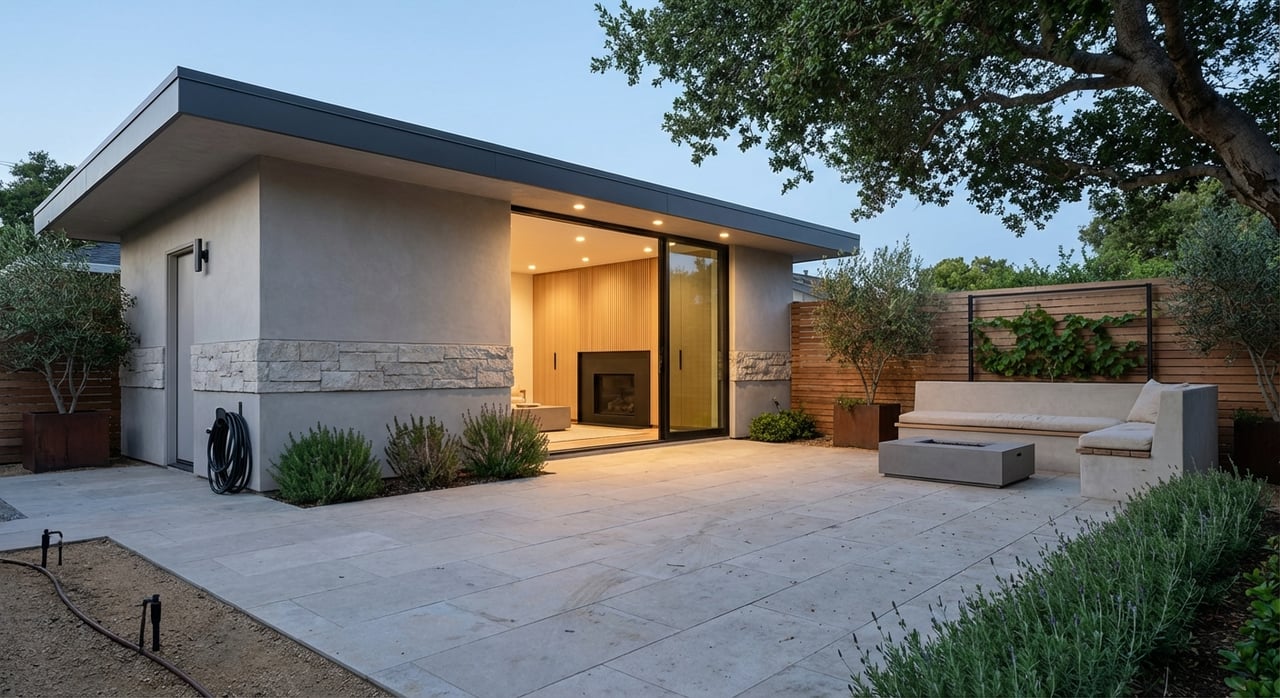
Paso Robles Second Home Buying: A Local Owner’s Guide
February 19, 2026
February 19, 2026
Dreaming about a weekend base in Paso Robles where you can unwind among vineyards and great food, then lock up and return to city life? You are not alone. Many buyers love the Central Coast lifestyle but want clear answers on rules, financing, insurance, and true costs before they commit. This guide gives you the essentials, tailored to Paso Robles, so you can buy with confidence and enjoy your time here. Let’s dive in.
Paso Robles sits on the Central Coast with a vibrant wine scene and relaxed pace. The region features more than 200 wineries across distinct sub‑areas, giving you variety in scenery, microclimates, and tasting styles. You can preview the broader region through the Paso Robles Wine Country guide.
If you like to park once and wander, Tin City just south of downtown offers a walkable cluster of tasting rooms, breweries, and food spots. It is a convenient base for guests and owners who prefer an urban tasting vibe, and you can learn more on the Tin City site.
Most out‑of‑area buyers drive in from Los Angeles or the Bay Area. The trip is often about 3 to 4 hours depending on traffic. That makes quick weekend visits realistic without flying.
On pricing, national home‑value indices have placed typical Paso Robles values in the mid $700,000s in recent snapshots. Your actual number depends on neighborhood, acreage, and condition, so plan to confirm with current local comps.
Before you shop, get clear on how you will use the home. Your answer shapes financing, insurance, taxes, and the neighborhoods that make sense.
Paso Robles has a formal short‑term rental program with permits and conditions. The City distinguishes between hosted homeshare (owner present) and non‑hosted accommodations. Operational rules include a posted Good Neighbor Brochure, occupancy and parking limits, complaint response within 30 minutes, neighbor notification, and inspections. Start with the City’s Short‑Term Rental Task Force page to understand permit types and the current process.
Two practical takeaways if you want to run a non‑hosted STR:
Most buyers use conventional financing for second homes. Agency rules classify second homes as a distinct occupancy type with requirements for property use and control. You can review the general criteria in Fannie Mae’s occupancy guidance.
FHA and VA loans are designed for primary residences and require occupancy within a set timeframe. They rarely fit vacation‑home purchases. For details, check the HUD Single Family Housing Policy Handbook or speak with a lender who specializes in these programs.
Lenders typically expect stronger credit, larger down payments, and cash reserves for second homes. Many loans do not allow you to use expected rental income from the second home to qualify. Ask your lender how they will treat reserves and debt‑to‑income. Fannie Mae’s Desktop Underwriter notes how DTI is calculated and what income can be counted. You can read more in this qualification guidance.
Parts of San Luis Obispo County are mapped for higher wildfire risk. The City has discussed updated Fire Hazard Severity Zone maps and encourages defensible space and mitigation. Before you buy, check the parcel’s hazard designation and any local brush or abatement requirements. A recent local notice explains the mapping context and why it matters for owners. See the fire hazard mapping update coverage.
Insurance availability and price can vary by location. If you cannot secure a private market policy, California’s FAIR Plan is the insurer of last resort. FAIR Plan is typically fire‑only and may need a companion Difference‑in‑Conditions policy to round out coverage. Review the basics and recent updates at the California Department of Insurance FAIR Plan page, and get quotes early in your due diligence.
Inside Paso Robles city limits, many homes are served by city water and sewer. Rural wine‑country parcels often rely on private wells and septic systems. If you are considering acreage or hillside locations, confirm water access and well yield, septic permits and pumping history, and any local water limitations. The City’s utilities FAQ is a good starting point when you want to understand service areas.
Paso Robles offers a mix of in‑town convenience and scenic countryside. Your ideal area depends on how you plan to use the home.
Use this simple path to move from daydream to door keys.
Define your use profile. Decide if the property will be personal use only, a part‑time STR, or a full investment. Your choice drives loan options, STR eligibility, and tax planning. Review what counts as a true second home in Fannie Mae’s guidance.
Build a realistic budget. Include down payment, closing costs, property taxes and special assessments, utilities, landscaping and defensible space, roof and HVAC upkeep, septic pumping if applicable, and property management if you will rent.
Talk to a lender early. Ask about down payment expectations, credit targets, required cash reserves, and whether the file will be treated as a second‑home or investment loan. For income and DTI treatment, see Fannie Mae’s qualification overview.
Pre‑check STR eligibility. If short‑term renting is part of the plan, verify parcel eligibility and permit pathways on the City’s Short‑Term Rental page. Also review the 10 percent lodging tax rules in the City’s TOT code.
Line up insurance quotes. Ask multiple carriers for options. If coverage is limited, discuss the California FAIR Plan and a companion policy with your broker.
Verify utilities and rural systems. Confirm city water and sewer or, for rural parcels, well production, water quality, septic permits, and maintenance history. Use the City’s utilities FAQ to frame questions.
Inspect for risk and resilience. Check the property’s fire‑hazard designation and walk the site for defensible space and hardening opportunities. For mapping context, see the local fire hazard update coverage.
Plan tax treatment. If you rent the home fewer than 15 days in a year and use it personally the rest of the time, that rental income is generally not reportable to the IRS. Rules change once you cross that threshold, so consult a CPA for specifics on deductions, expense allocation, and recordkeeping.
Furnish and operationalize. If you will host guests, plan durable furnishings, local service contacts, and a simple house manual. Register for TOT and set up permit compliance if applicable.
Use this list to keep your search focused and reduce surprises.
A second home should fit your lifestyle and your numbers. With deep local roots across the Central Coast and Paso Robles wine country, Deborah helps you match neighborhoods, weigh STR rules and insurance realities, and coordinate the details that keep ownership simple. When you are ready, reach out to Deborah Brooks to talk locations, timing, and next steps.
February 19, 2026

February 12, 2026
February 5, 2026

January 22, 2026
January 15, 2026
January 8, 2026

January 1, 2026
December 25, 2025

December 18, 2025
With unparalleled industry knowledge, experience, and local expertise, I am honored to help buyers and sellers on the Central Coast with their Real Estate needs. Whether buying or selling, you have come to the right place. Contact me today.